Integrating 3D Layered Leaf into Your Creative and Business Workflows
The 3D Layered Leaf is a digital design file that offers creative professionals, hobbyists, and business owners a versatile tool for their projects. Whether you're designing for print, digital media, or crafting custom materials, the layered format provides flexibility in editing and customization. This article will explore how to use this digital asset effectively in your workflow, what formats are included, and how it can enhance your output without requiring physical product delivery.
Understanding What You Get with 3D Layered Leaf
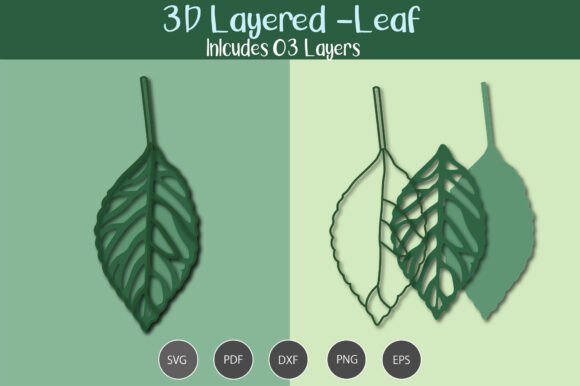
When you purchase the 3D Layered Leaf, you’re receiving a comprehensive set of digital files designed for maximum usability across various platforms and applications. The package includes:
- SVG (Scalable Vector Graphics): Ideal for editable vector designs in software like Adobe Illustrator or Inkscape.
- DXF (Drawing Exchange Format): Commonly used in CAD programs, suitable for laser cutting or engraving.
- PNG (Portable Network Graphics): A high-resolution image file for web or print use where transparency may be needed.
- EPS (Encapsulated PostScript): Compatible with most professional design and printing tools, allowing for scalable, high-quality outputs.
- PDF (Portable Document Format): Perfect for sharing, presenting, or printing as a static document.
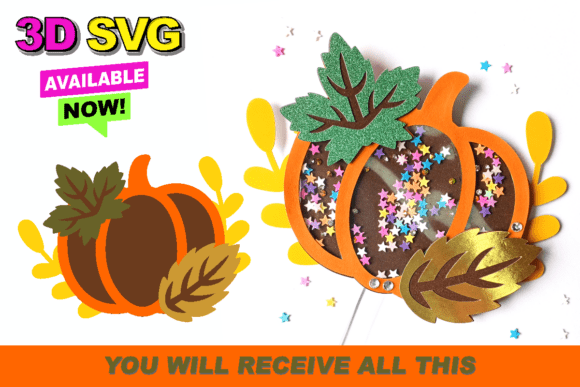
Additionally, the fileset contains a 3D leaf and 03 layered components. These allow for intricate adjustments and layer-specific modifications. Importantly, since this is an instant download digital file, there's no need to wait for postal mail—everything arrives via email or through your account on the platform you purchased from.
Where Does 3D Layered Leaf Fit Into a Broader Process?
The 3D Layered Leaf is not just a standalone graphic—it’s a building block that integrates into multiple stages of a project. Its layered structure makes it particularly useful during the planning and execution phases of creative workflows. For example, if you're working on a branding project, this file could serve as a foundational element in visual identity creation.
Pre-Project Use: Ideation and Concept Development
Before diving into full production, consider using the 3D Layered Leaf during the brainstorming phase. Its clean lines and depth make it ideal for mood boards, storyboards, or concept presentations. Designers might use the PNG version to overlay on mockups or the SVG to experiment with color variations and layer positioning before finalizing a layout.
During Project Execution: Customization and Adaptation
Once a project moves into development, the layered nature of the file becomes invaluable. Each component—like the main leaf shape or its shadow/depth layers—can be manipulated independently. This is especially helpful when integrating the leaf into other graphics or when preparing it for different mediums such as embroidery, vinyl cutting, or digital illustrations.
For instance, a small business owner creating seasonal packaging might adjust the leaf colors in the SVG file to match brand palettes. Similarly, a freelancer working on a client’s logo design could use the EPS or PDF versions for seamless integration into larger compositions.
Post-Project: Enhancing Deliverables and Long-Term Assets
After the primary work is done, the 3D Layered Leaf can still add value. It can be repurposed in follow-up content, such as social media posts, email newsletters, or website headers. The DXF file is great for those who want to turn the design into physical products, like engraved signs or laser-cut decorations.
Compatibility and Usability Across Tools
One of the strengths of the 3D Layered Leaf is its compatibility with a wide range of design tools. Here's how it works with some common ones:
- Adobe Illustrator: Open the SVG or EPS file for full control over each layer. Adjust stroke weights, gradients, and opacity settings easily.
- Cricut or Silhouette Software: Use the SVG or DXF files for precise cutting with electronic crafting machines. The layered structure allows for more complex cutouts or multi-color prints.
- Canva or Photoshop: Import the PNG for quick edits or overlays in web-based or photo editing environments.
It's important to note that while these tools support many of the included formats, always verify compatibility with your specific software version. Some platforms may require additional steps to preserve layer integrity, especially when importing SVG or DXF files.
Workflow Integration Tips for Efficiency
Here are some practical tips for incorporating the 3D Layered Leaf into your existing processes:
- Organize Your Files: Save all received formats in a dedicated folder within your project directory. Label them clearly (e.g., "Leaf_SVG_Edit", "Leaf_PDF_Print") to avoid confusion later.
- Backup Original Layers: Before making any changes to the SVG or EPS file, duplicate the original so you can return to it if needed. This ensures consistency across revisions and maintains quality control.
- Use Smart Objects in Photoshop: When working with the PNG file, convert it to a smart object to retain its resolution when scaling or applying filters.
- Optimize for Print vs. Digital: If preparing for print, ensure the file uses CMYK color profiles. For digital use, stick with RGB and compress images only when necessary.
- Leverage Layers for Branding Consistency: Modify individual layers to align with brand guidelines. This helps maintain a consistent look across all marketing materials.
Real-World Applications and Use Cases
Let’s look at a few scenarios where the 3D Layered Leaf can play a key role:
1. Product Packaging Design
A boutique selling eco-friendly products might use the leaf design on their packaging. The designer can adjust the size and color of the leaf in the SVG file to fit the label dimensions and match the brand's green theme. Once finalized, they export the design as a PDF for high-quality printing or send the DXF to a local lab for die-cutting.
2. Social Media Content Creation
Marketing teams often need quick visuals for campaigns. The PNG version of the 3D Layered Leaf can be dropped into Canva templates as a background element or icon. Its transparent background ensures it blends well with various themes and color schemes.
3. Educational Materials
Educators and content creators can use the leaf in infographics, lesson plans, or interactive learning modules. The layered SVG file allows teachers to modify the design to suit specific topics, such as biology, botany, or environmental science, by adding text or annotations directly onto the layers.
4. Merchandise and Apparel Design
Freelancers designing T-shirts, tote bags, or posters can utilize the DXF file for vinyl cutting or screen printing. The three-layered design adds dimensionality, helping the artwork stand out compared to flat graphics.
Best Practices for Preparation and Implementation
Getting the most out of the 3D Layered Leaf requires careful preparation. Start by assessing which format suits your needs best. If you plan to edit the design, go with SVG or EPS. If you're ready to print or share digitally, PNG or PDF may be more convenient.
Also, keep in mind the intended use environment. For web banners or app icons, simplify the layers and optimize file size. For print materials, maintain the highest possible resolution and use appropriate bleed and trim guides.
Another consideration is version control. Since the file is part of a digital workflow, track any edits made to the layers. Cloud storage solutions like Google Drive or Dropbox can help manage revisions and collaborate with others efficiently.
Long-Term Use and Asset Management
Because the 3D Layered Leaf is a digital file, it can be reused indefinitely. Store it in a centralized asset library alongside other branded elements like fonts, logos, and textures. This ensures easy access and promotes consistency across all future projects.
For businesses, having a standard graphic like this in your design toolkit can streamline tasks like updating promotional materials, creating seasonal campaigns, or launching new product lines. Just tweak the leaf to reflect current trends or themes, and you’ve got a fresh yet familiar visual.
Common Pitfalls to Avoid
While the 3D Layered Leaf is highly adaptable, there are a few mistakes users should watch out for:
- Overcomplicating the File: Don’t try to add too many effects unless necessary. Stick to simple edits to maintain clarity and professionalism.
- Ignoring File Size: Large SVGs or unoptimized PNGs can slow down performance in online platforms or apps. Always check the balance between quality and efficiency.
- Using Incorrect Color Profiles: Mixing RGB and CMYK modes can lead to unexpected results in print. Define your color space early in the process.
- Misinterpreting Layer Structure: If you're unfamiliar with layered files, take time to understand how each component interacts. Misaligning layers can ruin the 3D effect.
How to Share and Collaborate Using the Leaf File
Collaboration is easier with the 3D Layered Leaf thanks to its open formats. Here’s how you can share it with team members or clients:
- Send the PDF version for review or presentation purposes. It preserves the layout and is viewable on almost any device.
- Share the SVG or EPS with designers who need to make changes. Make sure to include instructions or notes to guide their edits.
- Upload the PNG to a shared drive or content management system for use in websites, emails, or ads.
Remember, since this is a digital-only product, collaboration happens entirely online. Utilize tools like Figma, Adobe XD, or even Google Docs to provide feedback and iterate quickly.
Maximizing Value Through Repurposing
The beauty of the 3D Layered Leaf lies in its ability to be repurposed. Here are a few ways to stretch its usefulness:
- Seasonal Campaigns: Change the leaf's color or add holiday-themed elements to reuse the base design year-round.
- Website Headers: Create a unique header by combining the leaf with text or other imagery using layer blending options.
- Printed Merchandise: Incorporate the leaf into stickers, mugs, or notebooks as a subtle design accent.
- Email Templates: Use the PNG as a background or icon in newsletter templates to reinforce brand aesthetics.
By maintaining the core design and adapting it as needed, you can save time and resources while keeping your content visually engaging.
Final Thoughts on Workflow Integration
Incorporating the 3D Layered Leaf into your workflow isn't about replacing tools but enhancing them. Whether you're a marketer, educator, or independent creator, this digital file offers a reliable way to add visual interest and professionalism to your work. By understanding its formats, planning ahead, and using it strategically, you can maximize both creativity and productivity.
As digital assets become more integral to modern workflows, mastering how to use them effectively is a skill worth developing. With the right approach, the 3D Layered Leaf can become a staple in your design repertoire—offering endless possibilities without the hassle of waiting for physical products.