Easter Bunny STL File for 3D Printing
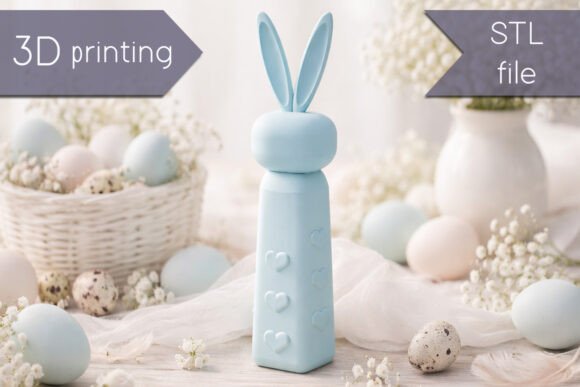
As the season of spring and renewal approaches, many creators are turning to 3D printing as a fun and innovative way to celebrate Easter. One standout option is the Easter Bunny Decor STL file for 3D printing. This digital design offers a charming and customizable approach to festive decor, allowing users to bring a personal touch to their holiday traditions with ease and precision.
What Is an Easter Bunny STL File?
An STL (Standard Tessellation Language) file is a common format used in 3D printing to represent the surface geometry of a 3D object. The Easter Bunny Decor STL file specifically contains a three-dimensional model of a bunny — a classic symbol of Easter — that can be printed using various types of 3D printers, including FDM and resin-based models. These files are typically optimized for smooth printing, minimal supports, and high-quality results, making them ideal for both beginners and experienced users.
Why Choose 3D Printed Easter Bunnies?
The appeal of 3D printed Easter bunnies lies in their versatility and creative potential. Unlike mass-produced decorations, which often lack uniqueness, a 3D-printed bunny can be customized in size, color, and even design elements. Whether you're looking to add a subtle pop of charm to your living room or create personalized gifts for loved ones, this type of digital model opens up exciting possibilities. Additionally, because it's a digital product, you can download and start printing immediately without waiting for shipping or dealing with inventory issues.
Applications and Uses
The applications of the Easter Bunny Decor STL file are diverse and extend beyond simple home decoration. Here are some popular ways people use these models:
- Home Decor: Print multiple bunnies in varying sizes and place them on shelves, mantles, or windowsills to create a cohesive seasonal display.
- Easter Baskets: Use small bunnies as toppers for handmade baskets, or as part of custom-shaped containers filled with treats and gifts.
- Table Settings: Add a 3D-printed bunny as a centerpiece or place card holder during your Easter brunch or dinner.
- Handmade Gifts: Pair a printed bunny with other DIY elements like painted eggs, handcrafted cards, or fabric accents to make thoughtful, one-of-a-kind presents.
- Commercial Projects: Small businesses can incorporate the bunny into themed packaging, promotional items, or branded merchandise for seasonal sales.
Customization and Creative Freedom
One of the biggest advantages of working with an STL file for 3D printing is the ability to customize. Many 3D modeling software programs allow you to scale the bunny, modify its shape slightly, or even add new features before printing. For instance, you might want to print a larger bunny to serve as a decorative accent on a cake stand or a smaller version to attach to a keychain. With the right tools, the design becomes a canvas for your imagination.
Consider experimenting with different materials such as PLA for a matte finish, PETG for durability, or even resin for intricate details. You can also paint the bunny after printing to match your home’s color scheme or a specific event theme. The level of detail in the model makes it suitable for both minimalist and ornate styles, depending on how you choose to present it.
For Creators and Designers
Designers who enjoy blending traditional crafts with modern technology will find the Easter Bunny STL file to be a valuable asset. It serves as a base model that can be modified and reimagined in countless ways. Think about adding floral patterns, integrating LED lights for a glowing effect, or creating hollow versions for filling with confetti or candy. These variations can help differentiate your work and offer fresh ideas to clients or customers.
For Educators and Students
Schools and educational institutions can use the 3D printed Easter bunny as a project in art, design, or STEM classes. It introduces students to the basics of 3D modeling and printing while encouraging creativity through customization. Teachers might challenge students to redesign the bunny using symmetry principles, explore color theory when painting, or calculate material usage based on scaling options. This hands-on learning experience is both engaging and informative.
For Entrepreneurs and Marketers
Small business owners and marketers can leverage the Easter Bunny Decor STL file to develop limited-edition products or themed campaigns around Easter. A custom bunny could be used as a promotional item at events, included in Easter-themed gift boxes, or sold as a downloadable product itself. When marketing these creations, highlight the benefits of instant access, scalability, and the opportunity to support local makers or personalize gifts.
For Hobbyists and Home Decor Enthusiasts
If you’re a hobbyist who enjoys decorating your space throughout the year, this bunny model provides a quick and affordable way to update your environment for Easter. Try arranging several bunnies together with other printable designs like eggs, nests, or flowers to build a full 3D-printed Easter scene. These items can be reused every year, making them a sustainable and cost-effective choice over time.
Getting Started with Your Easter Bunny Print
To begin using the Easter Bunny Decor STL file, simply download the file from a trusted platform and import it into your preferred slicing software. Most files come with recommended settings, but don’t hesitate to tweak parameters like infill density, layer height, or print speed to suit your printer and desired outcome. Always preview the model in your slicer to check for any necessary supports or orientation adjustments before starting the print job.
Printing Tips for Best Results
Here are a few practical tips to ensure your bunny prints well:
- Use a brim or raft if needed to improve bed adhesion, especially if printing with ABS or other challenging filaments.
- Print at a lower temperature (around 190–205°C for PLA) to reduce warping and achieve smoother surfaces.
- Post-processing techniques like sanding, priming, and painting can enhance the final look and feel of the bunny.
- Consider using dual extrusion to print the bunny in two colors for added visual interest.
Where to Use the Bunny Model
Once printed, the bunny can be integrated into a variety of spaces and projects. Below are some realistic examples of where you can use it:
- Office Spaces: Place a small bunny on your desk or in a communal area to brighten the mood and signal the arrival of spring.
- Event Decor: Use the bunny as part of a larger set of 3D-printed Easter decorations for parties, community events, or church services.
- Gift Packaging: Attach the bunny to gift bags, boxes, or tags as a festive touch for family, friends, or customers.
- Photography Props: Incorporate the bunny into Easter-themed photoshoots, whether for social media content or product photography.
- Wall Art: Paint the bunny in vibrant colors and hang it as wall art using magnets or hooks for a modern twist on holiday decor.
Styling Ideas and Inspiration
Let’s get creative with styling. Here are a few project ideas to spark inspiration:
- Create a miniature Easter village by printing multiple bunnies and pairing them with houses, trees, and other seasonal figures.
- Make a personalized bunny sign by engraving names or dates onto the model and placing it near your Easter table or basket.
- Design a keychain or ornament version by modifying the bunny’s structure to include a loop or hole for hanging or attaching.
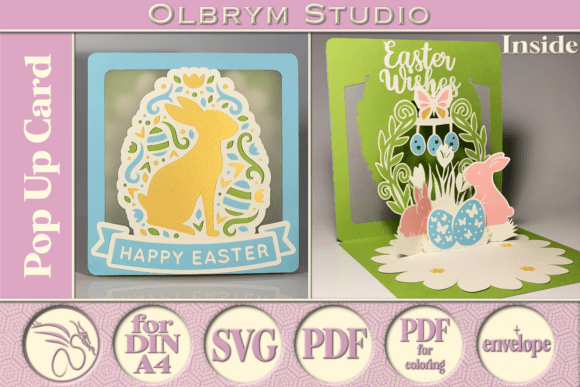
- Integrate the bunny into custom greeting cards by embedding a small printed piece into the design for a tactile surprise.
- Use it as a cookie cutter template by exporting the model into a 2D profile and laser cutting it from acrylic or wood.
Choosing the Right Printer and Material
While the Easter Bunny STL file is compatible with most FDM and resin 3D printers, the material you choose will influence the final appearance and functionality. For example:
- PLA is perfect for decorative pieces due to its ease of printing and wide range of available colors.
- PETG offers better durability, so it’s great for bunnies that might be handled more frequently, like keychains or toys.
- Resin allows for higher resolution and finer details, ideal for miniature collectibles or jewelry components.
Always test print a small portion of the model first to evaluate how the chosen material behaves with your printer settings. This helps avoid wasted filament and ensures you’re happy with the texture and finish before committing to a full print.
Sharing and Selling Your Prints
If you're considering sharing or selling your 3D-printed bunnies, keep in mind the licensing terms of the original STL file. Many sellers allow personal and small commercial use, but it's important to verify those rights before incorporating the design into a product line. Once approved, you can market your creations online via Etsy, social media platforms, or at local craft fairs. Highlight the unique aspects of your design, such as color combinations or added features, to attract buyers looking for something special.
Marketing and Branding Opportunities
For bloggers and influencers, the bunny model can be featured in DIY tutorials or unboxing videos. Showcase the entire process from downloading the file to post-processing and styling. This not only adds value to your audience but also encourages engagement and shares. If you're running a small brand, consider bundling the bunny with other printable Easter items to create a cohesive collection that appeals to fans of handmade and tech-savvy crafting.
Conclusion
The Easter Bunny Decor STL file for 3D printing is more than just a seasonal design — it's a versatile tool for expressing creativity and celebrating tradition in a modern way. From home decor to educational projects and commercial ventures, the possibilities are endless. By combining technical skill with artistic vision, you can transform a simple bunny model into something truly meaningful and memorable. So grab your 3D printer, download the file, and let your imagination run wild this Easter.